


High Carbon
High carbon steels are iron-carbon alloys with ~2.0% carbon. They lack corrosion resistance but boast exceptional sharpness, edge retention, and ease of sharpening.
They need careful maintenance to prevent rust. For those willing to provide extra care, they offer unmatched performance.
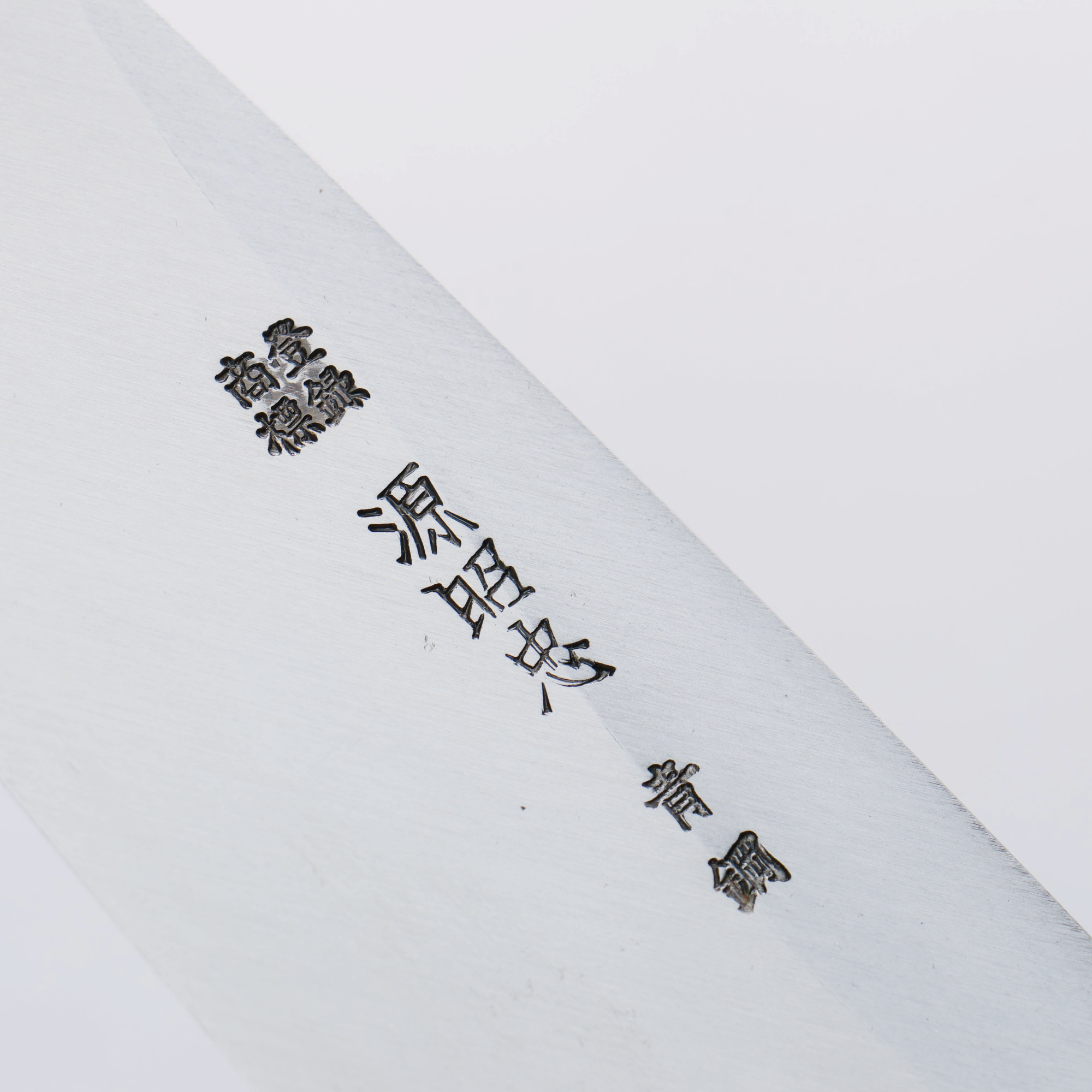
Blue Steel No.1
Blue Steel No.1, an iteration of aogami ("blue paper" steel), boasts superior edge sharpness when compared to other variations of blue steel. This type of steel, very similar to shiogami 1 ("white paper" steel), is slightly more durable due to the added tungsten. Blue 1 is frequently used to forge high quality Japanese kitchen knives.
HRC: 65+
Shop Blue No.1
Blue Steel No.2
Blue steel, referred to as Aogami ('Blue Paper' steel) is comparable to its White Steel or Shiogami ('White Paper' steel) counterpart with the addition of Chrome and Tungsten. Blue No.2 stands out due to its impressive edge retention and hardness.
HRC: 61-63
Shop Blue No.2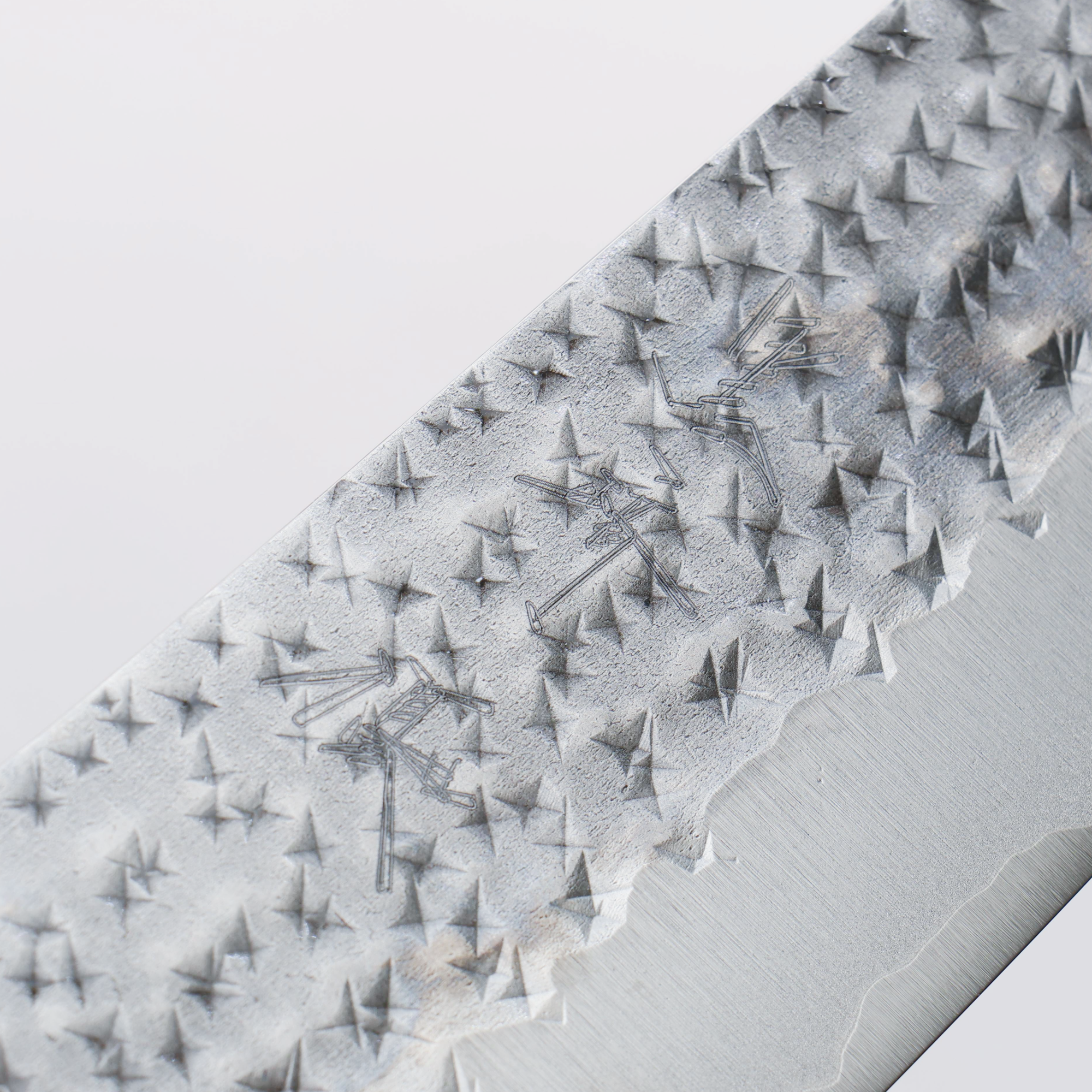
Blue Super
Blue Super is a form of blue steel, often referred to as aogami ("blue paper" steel), that is substantially similar to its sister variety, the white steel (or shiogami, "white paper" steel), to which chrome and tungsten have been added. This steel is further enhanced with the addition of molybdenum and vanadium, resulting in superior edge retention that has made it a popular choice for many craftsmen.
HRC: 63-64
Shop Blue Super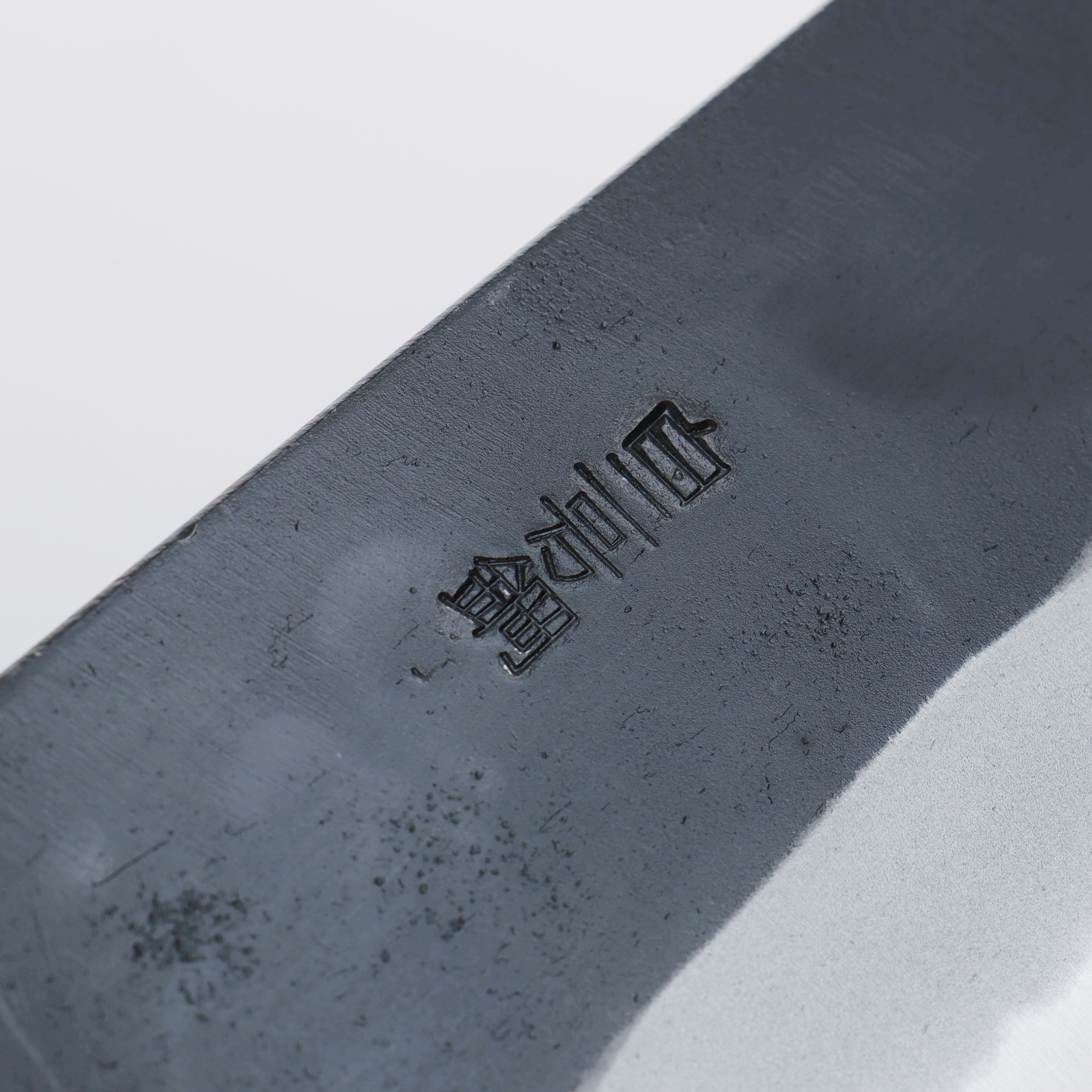
White No.1
White Steel, also known as 'Shirogami' (meaning 'white paper') is renowned for its close similarity to traditional steel. Comprising of very few impurities, such as phosphorus and sulfur, White Steel is renowned for its excellent edge retention yet is prone to rusting.
HRC: 65+
Shop White No.1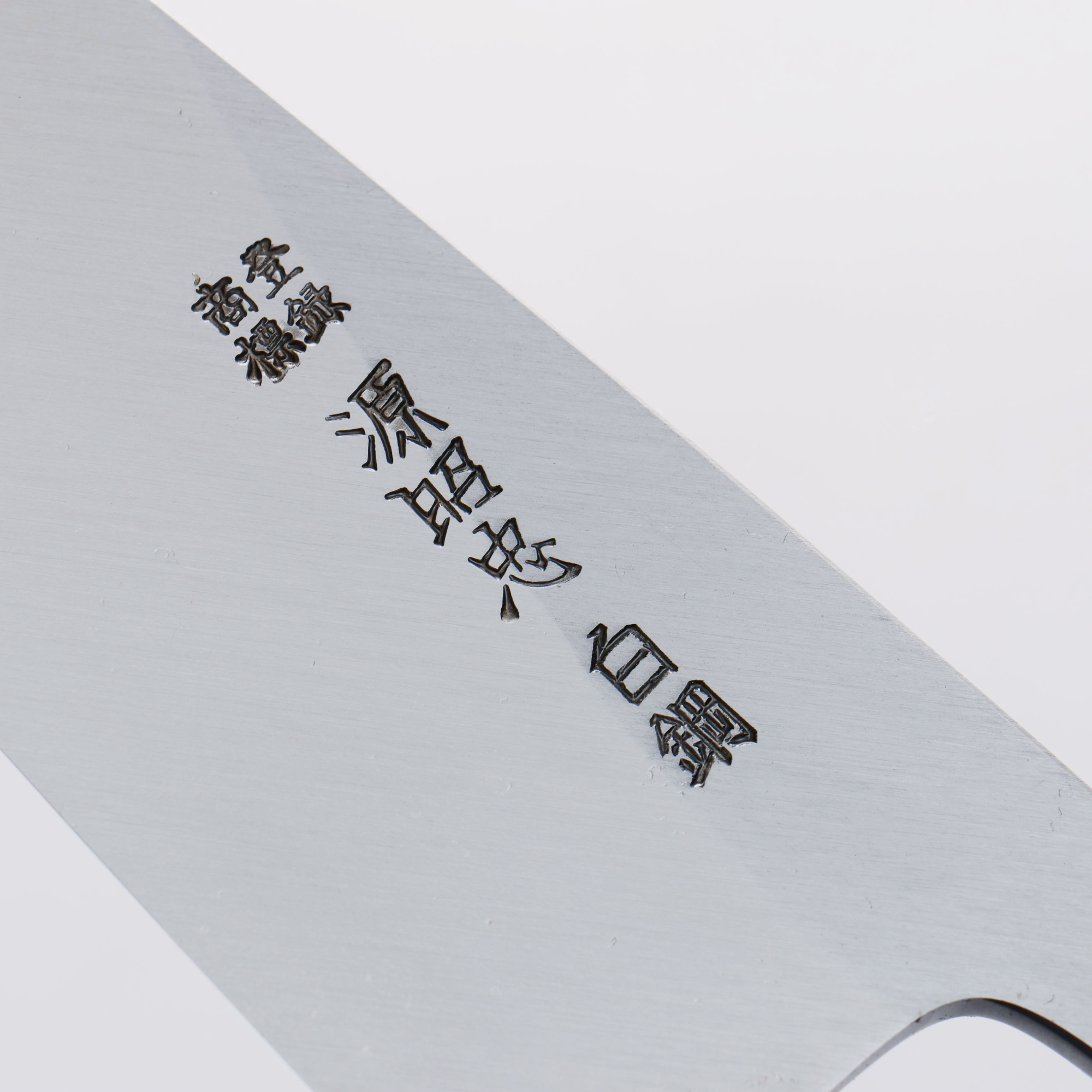
White No.2
A high-grade stainless steel manufactured by Takefu Special Steel Company, known for its excellent balance of hardness, durability, edge retention, and chip resistance.
HRC: 60-61.
Honyaki
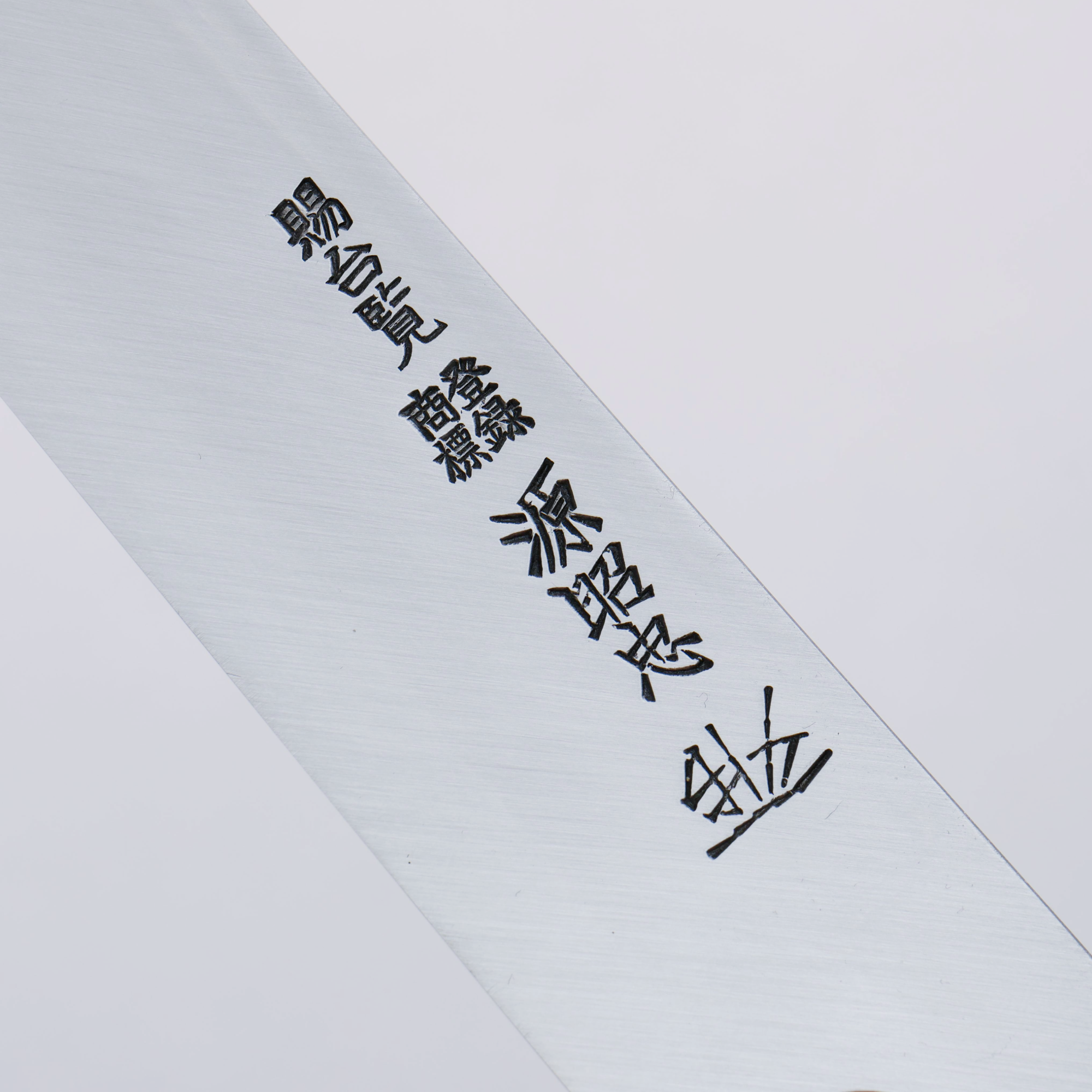
Honyaki is a method of creating Japanese blades by using clay to produce differential heat treatment to the same steel. Rather than crafting a blade from layers of both harder and softer steel, Honyaki blades are constructed from the same steel with a hardened edge and unhardened spine.
Differential hardening creates internal stresses that increases hardness, creating a blade that holds an edge unrivaled in quality though highly vulnerable to rust. This technique is exceedingly challenging to execute, with a success rate of about 10%.
Shop Honyaki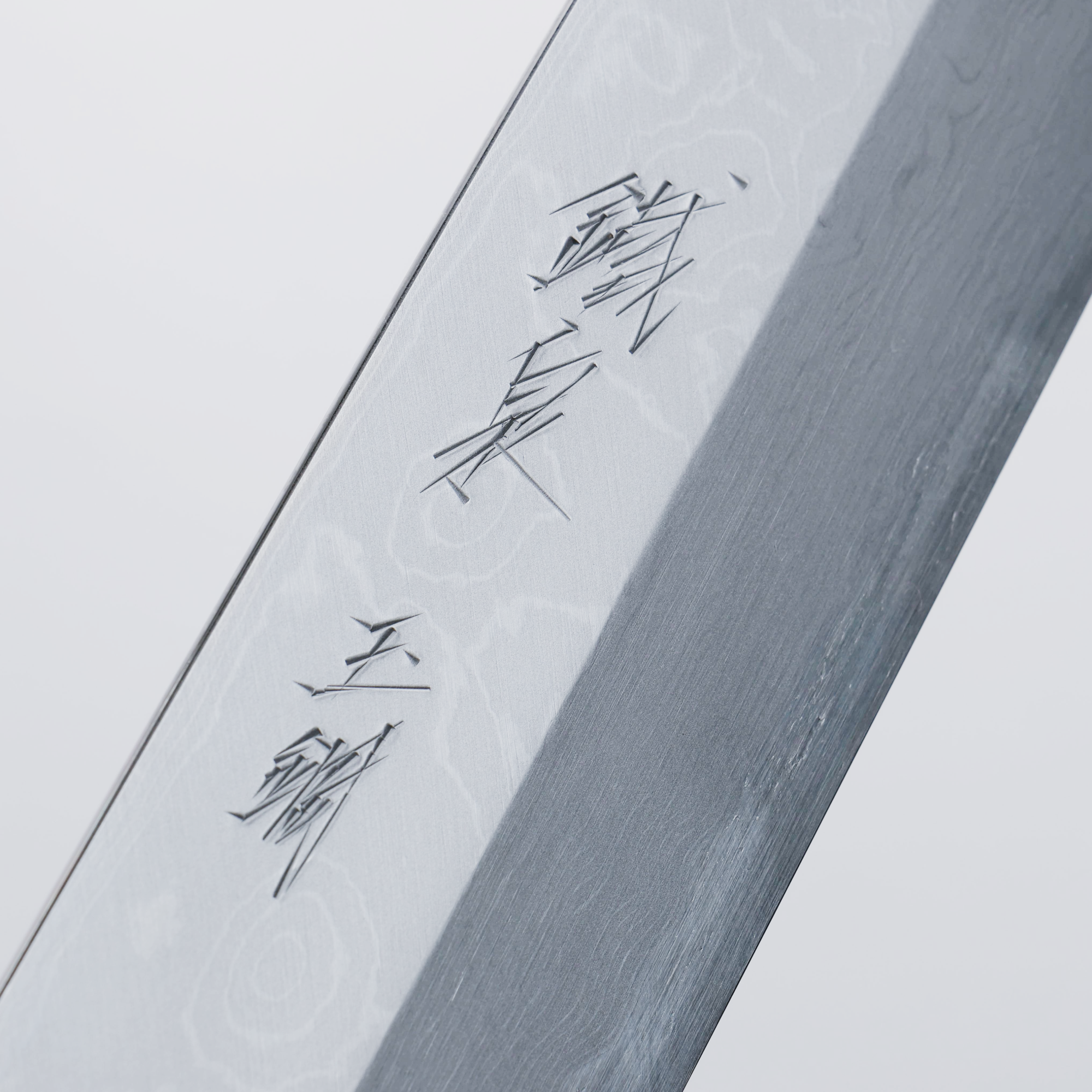
Tamahagane
Tamahagane, or “jewel steel”, is a traditional form of steel that has been produced in Japan for centuries and requires an immense amount of time and effort to create.
The production process begins with collecting iron from sand, then it is only the hands of master craftsmen that can forge tamahagane into certified samurai swords and kitchen knife blades.
Shop TamahaganeStainless
Stainless steels resist staining and rust. Japanese stainless steels have higher carbon content than most, making them sharper with better edge retention, though slightly more delicate and less stain resistant.
Sharp, reliable and built to last, these steels offer an effortless cooking experience with minimal maintenance.

AUS10
A popular stainless steel produced by Aichi Steel Company. It offers excellent durability, rust resistance, easy sharpening, and better edge retention than most at a reasonable price.
HRC: 59-60
Shop AUS10
AUS8
Also known as INOX, AUS8 is a solid entry-level steel that’s easy to sharpen, durable, rust resistant, and affordable. Produced by Aichi Steel Company, it’s similar to AUS10 but with slightly less edge retention.
HRC: 58-59
Shop AUS8
Silver Steel No.3
A popular stainless steel with high carbon content and fine grain structure. Also known as Ginsan, it offers cutting quality and ease of sharpening comparable to White Steel.
HRC: 59-61
Shop Silver No.3
SLD
A semi-stainless steel from Hitachi Metal Company that delivers exceptional edge retention and wear resistance, outperforming VG10 and AUS10, while requiring only manageable maintenance to prevent rust.
HRC: 60-61
Shop SLD
TUS
TUS (short for "Taka-U-ki Special Steel") is a molybdenum-vanadium stainless steel alloy made by Sakai Takayuki. It delivers good sharpness, hardness, and durability, but requires more frequent sharpening.
HRC: 58-59
Shop TUS
VG10
A high-grade stainless steel manufactured by Takefu Special Steel Company, known for its excellent balance of hardness, durability, edge retention, and chip resistance.
HRC: 60-61.
Shop VG10
VG5
A low-impurity steel offering excellent edge retention, sharpening, and corrosion resistance. Its high vanadium and carbon content creates an optimal balance of hardness and durability.
HRC: 59-60
Shop VG5
VG1
A stainless steel produced by Takefu Special Steel Company that shares much of the same qualities of its successor, VG10. However, the metallurgic content is different, making VG1 slightly softer.
HRC: 59-60
Shop VG1
VG-XEOS
A revolutionary alloy from Takefu Special Steel that combines exceptional corrosion resistance and hardness, delivering superior edge retention and durability for premium cutlery.
HRC: 63-65
Shop VG-XEOS
ZA18
A complex stainless steel developed by Aichi Steel Company. It’s similar in composition to VG10 and N690, but contains more carbon, chromium, and other elements increases its overall strength, durability, and stain-resistance.
HRC: 61-62
Shop ZA18Powdered Stainless
Powdered steels are high alloy, stainless steels that have been ground into a highly-refined powder form and then sintered back together. This specialized process creates a more uniform grain structure in the steel, resulting in a product that exhibits exceptional edge retention and hardness.
These steels provide the combined benefit of rust-resistance and exceptional sharpness, however they require more effort to sharpen than their high carbon equivalents, and are less durable than stainless steels due to their hardness.
Cobalt Special
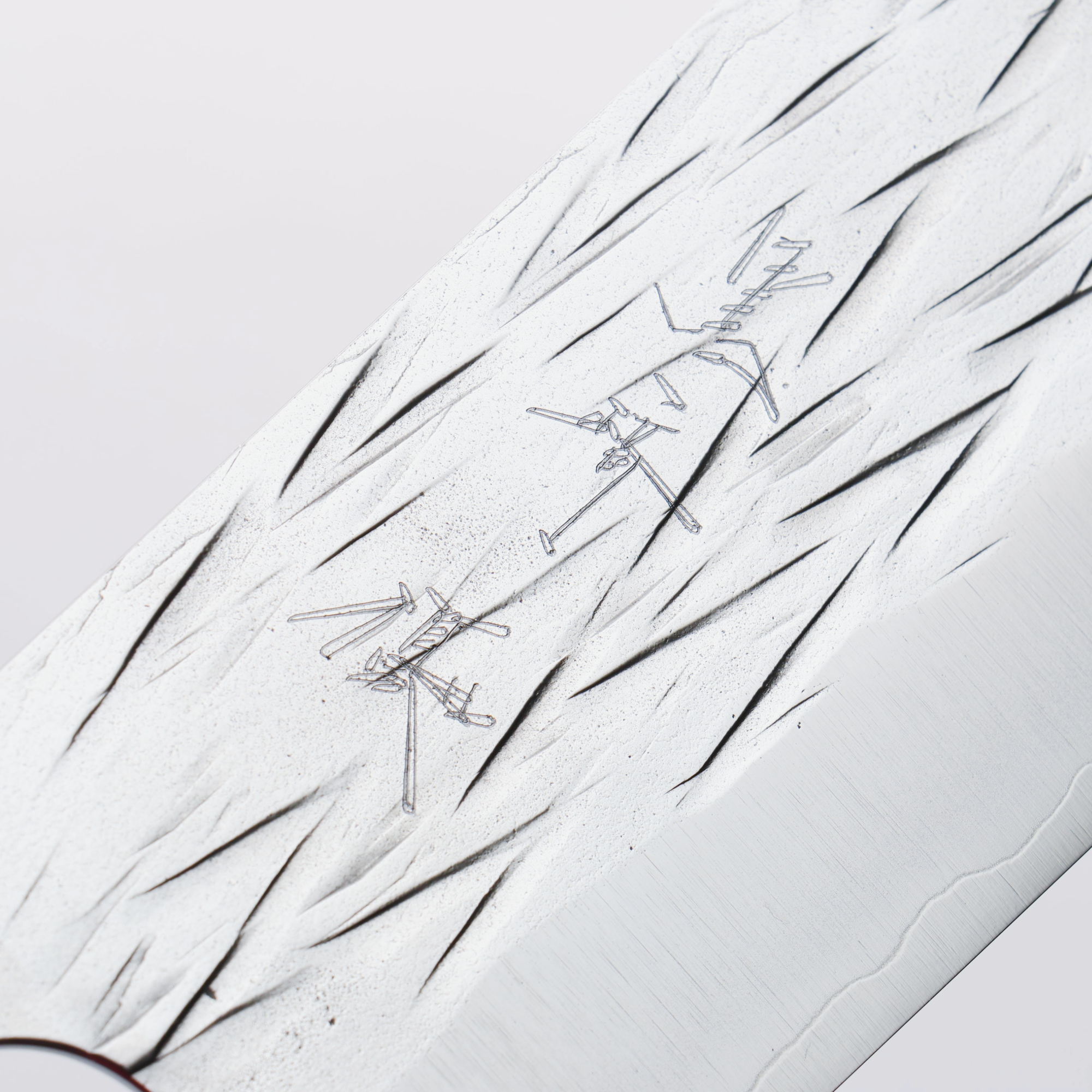
Produced by the Takefu Special Steel Company, Cobalt Special Steel is formulated to offer incomparable corrosion resistance due to its 1.1% carbon and 16% chromium content. Tungsten is added to provide greater temper resistance, molybdenum offers superior rust resistance and vanadium creates a finer microstructure. The addition of cobalt increases strength while giving a long-lasting, sharp edge.
HRC: 60-62
Shop Cobalt Special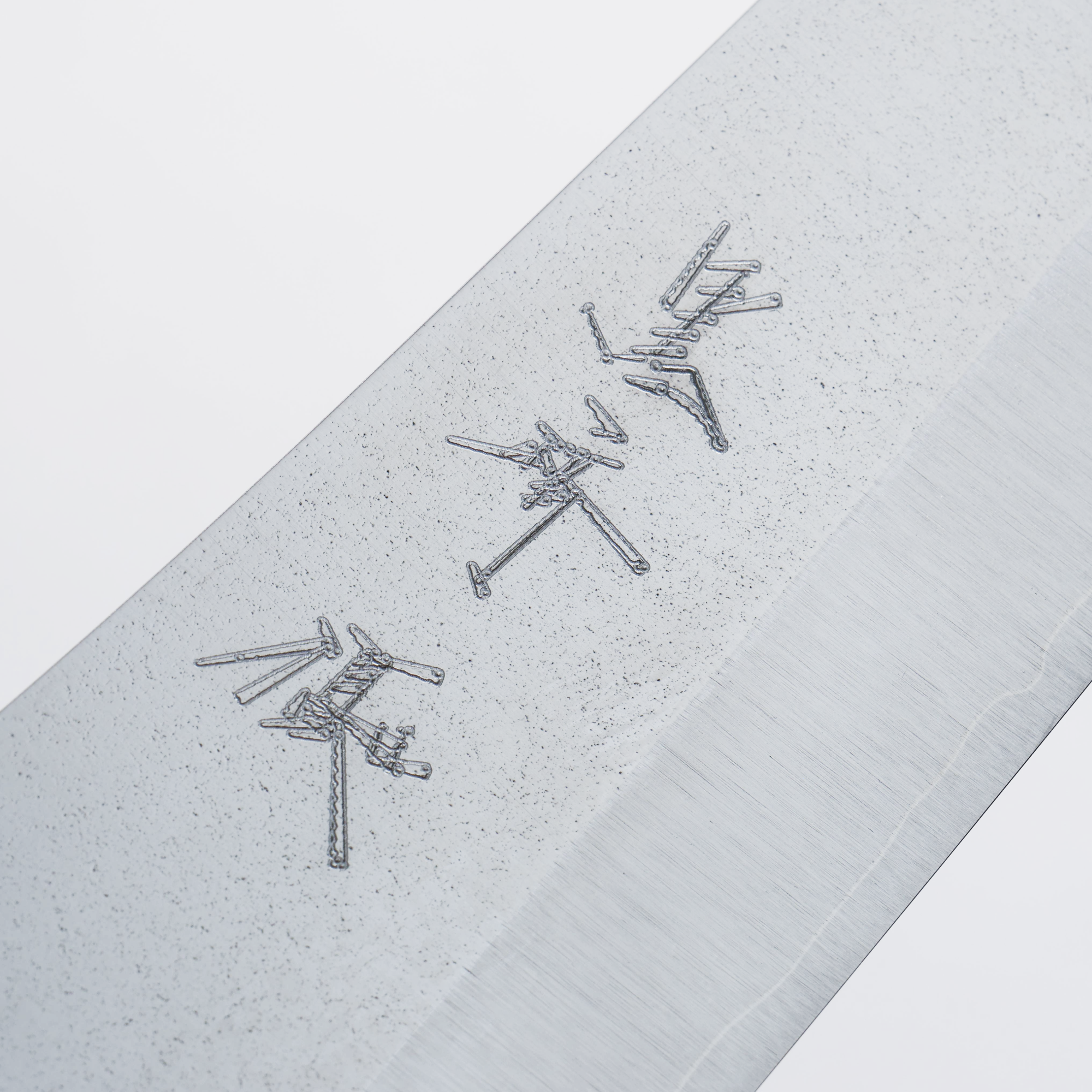
HAP40
The Hitachi Metal Company produces high-speed steel, HAP40, which is used in larger machining projects due to its superb microstructure and prodigious durability. What makes the alloy special is the presence of different elements like tungsten, molybdenum, vanadium and cobalt as well as 1.27-1.37% carbon and 3.70-4.70% chromium.
HRC: 67-68
Shop HAP40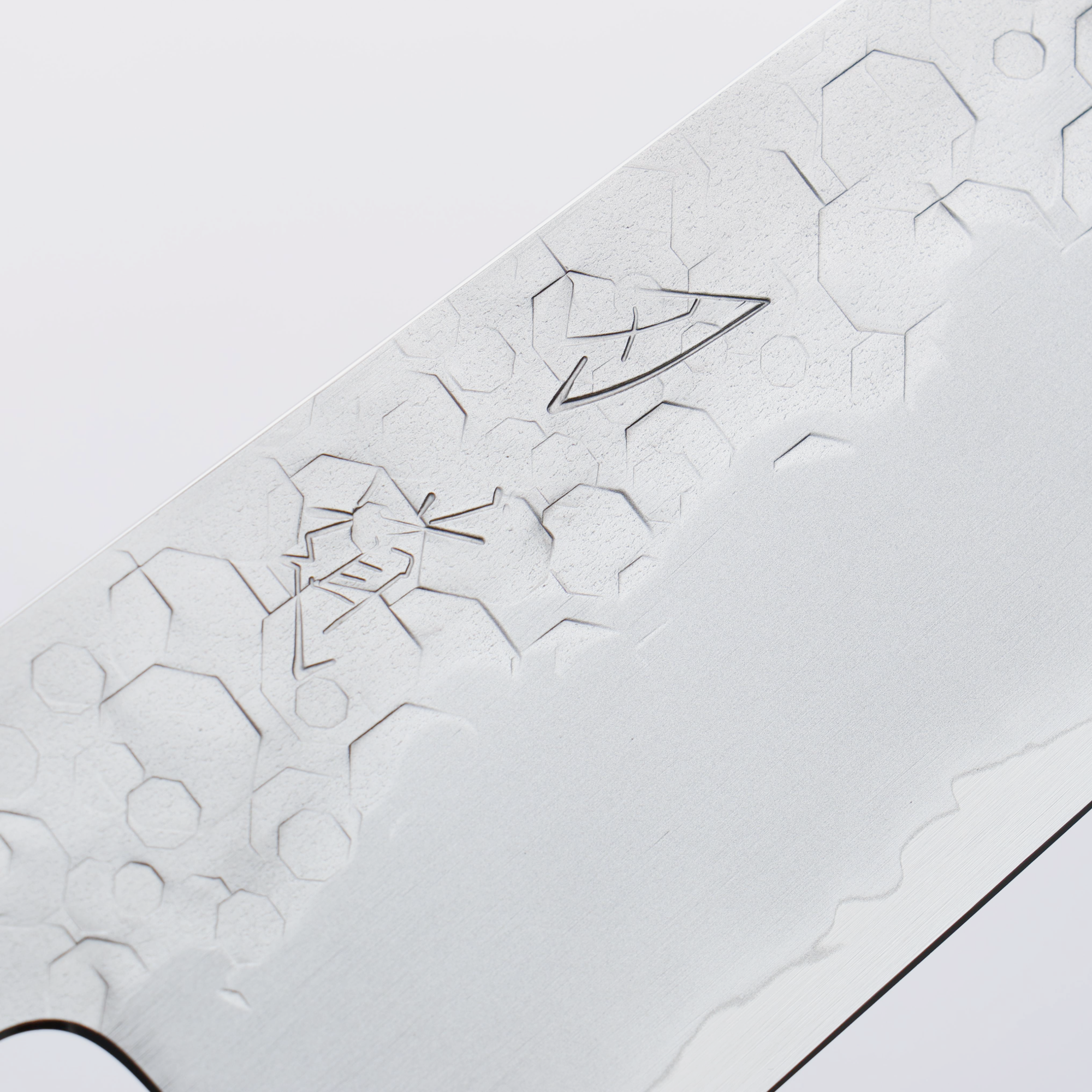
SG2
SG2 (R2) is a type of stainless steel with a notably high content of both carbon and alloy. This steel has been refined into a powder form, then sintered to achieve a homogenous grain structure, enhancing the material's sharpening proficiency and resilient properties. Moreover, SG2 stands up remarkably well to corrosion and is ideally suited for use in rapidly paced culinary settings.
HRC: 62-64
Shop SG2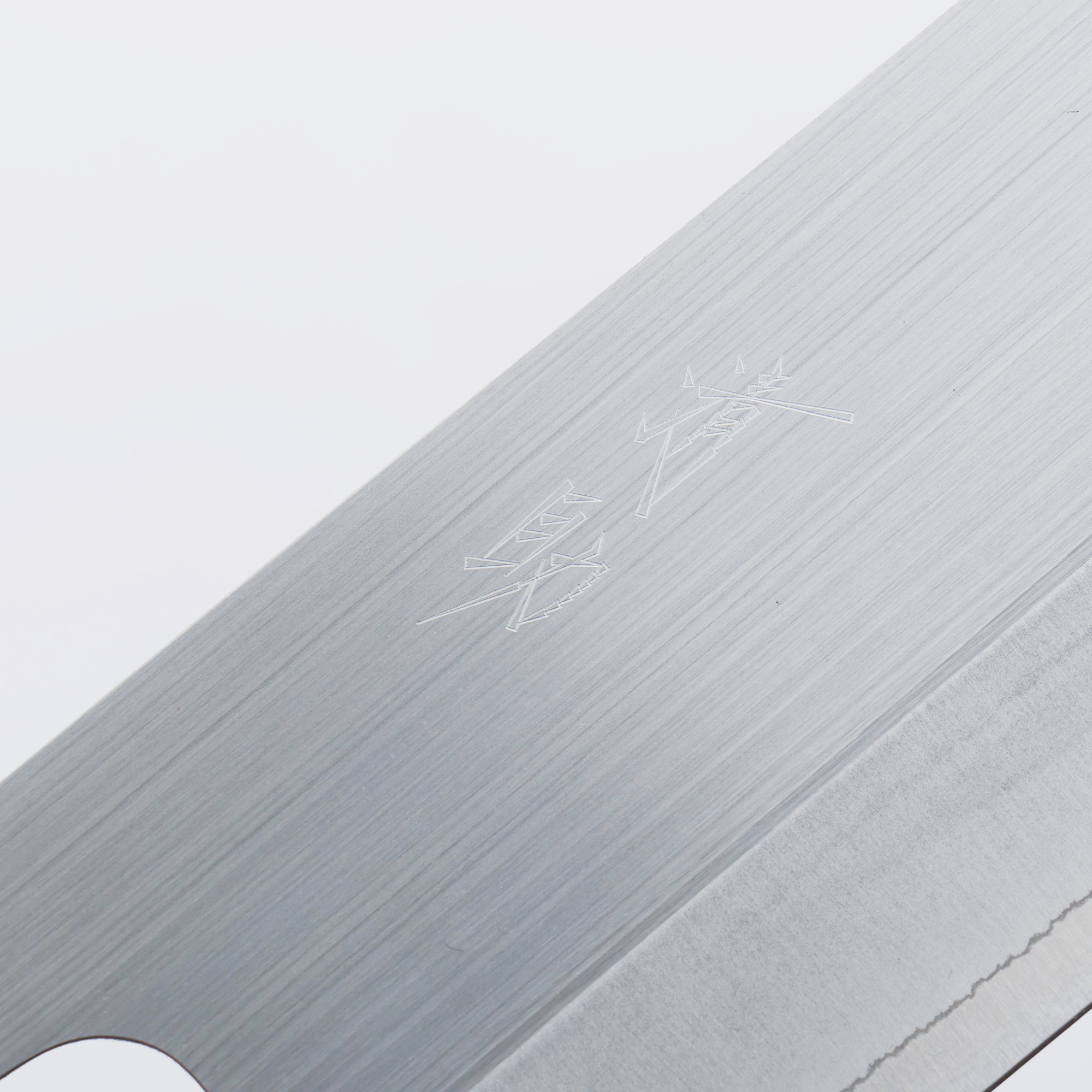
SRS13
SRS13 is a powdered steel containing 1.3% carbon and 13.0% chromium, offering superior edge retention and sharpness, whilst holding onto its stain-resistant properties.
HRC: 62-64
Shop SRS13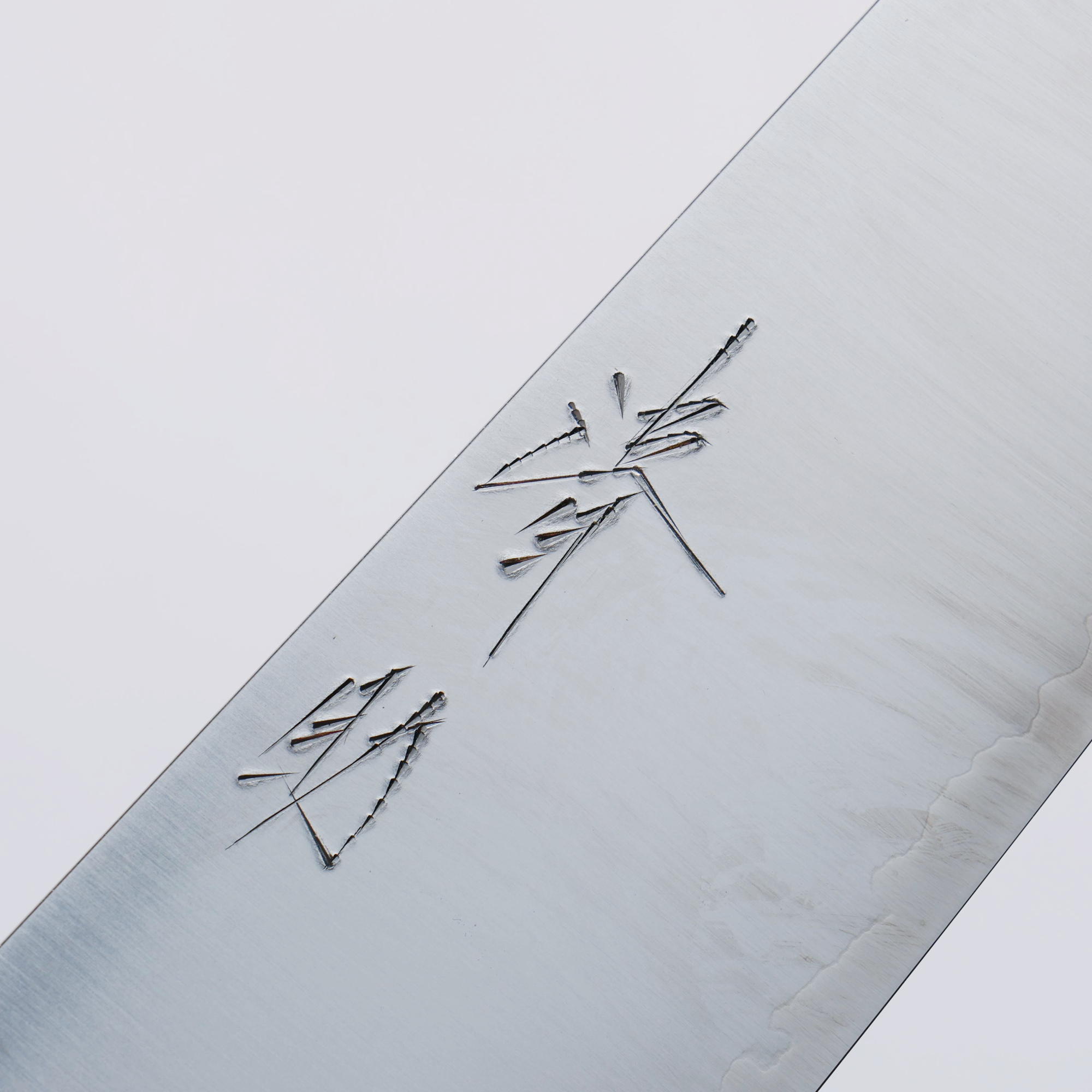
ZDP189
ZDP189, manufactured by Hitachi Metal, is a powdered, stainless steel containing 3.0% carbon and 20.0% chromium with added tungsten and molybdenum. This makes it extremely tough while also giving it some serious wear-resistance. It is difficult to sharpen however, due to the hardness of the material.
HRC: 66-67
Shop ZDP189